
What is Aloe barbadensis Miller?
Aloe barbadensis Miller is the same species as Aloe vera. Botany, names, INCI terms, leaf parts and what they mean for ingredient specifications.
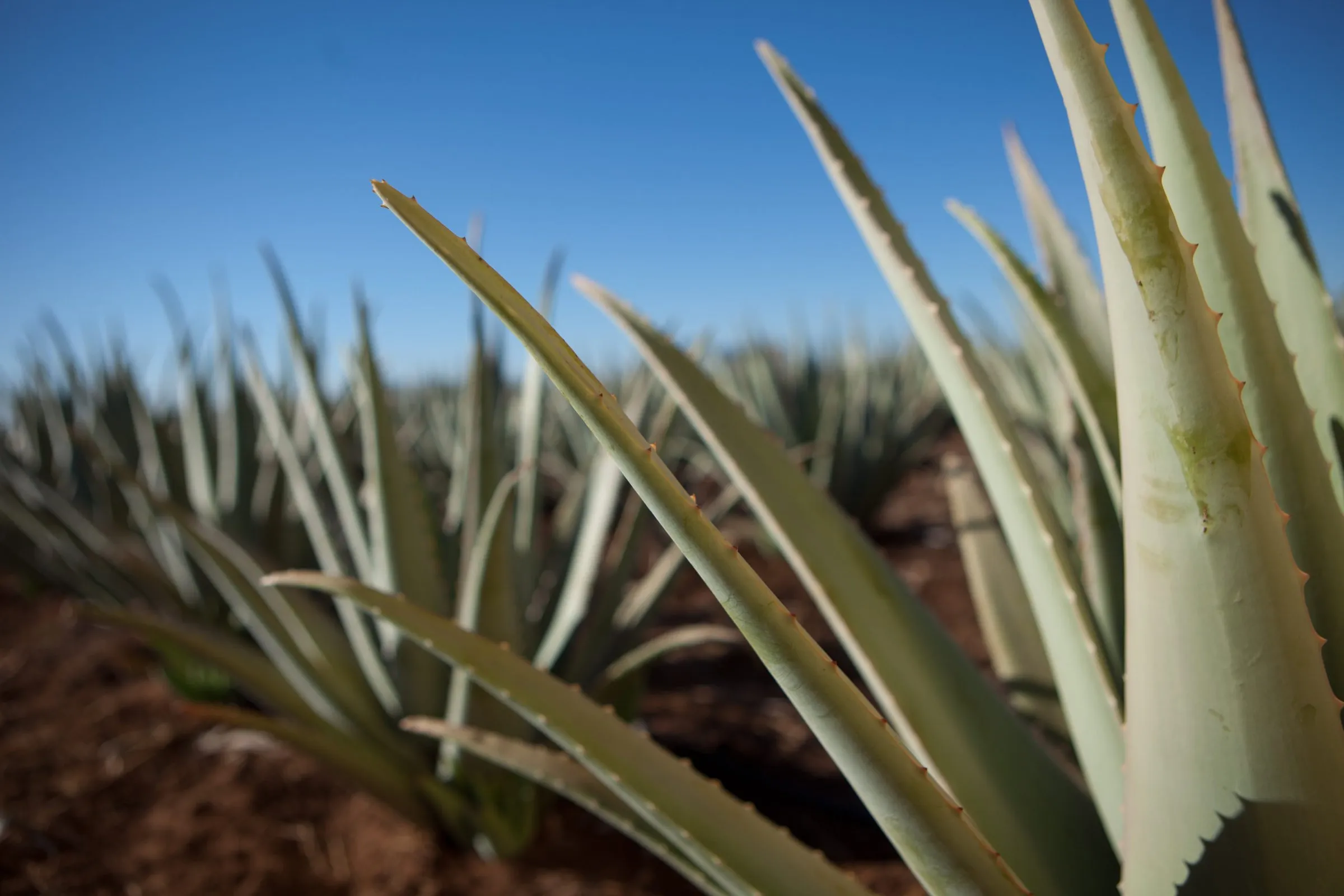
If you buy aloe ingredients, you will see three names on specifications and labels: Aloe vera, Aloe barbadensis, and Aloe barbadensis Miller. This article explains what each name means, how the plant is built, and why that matters when you write or check a specification.
One species, more than one name
Aloe vera (Aloe barbadensis Miller) is a single species. Botanical authorities such as Kew’s Plants of the World Online give Aloe vera (L.) Burm.f. as the accepted name and list Aloe barbadensis Mill. as a synonym. Both names refer to the same plant. The “Miller” (or “Mill.”) is the botanical author: Philip Miller, the eighteenth-century English botanist who published the name Aloe barbadensis.
In practice:
- Organic certificates and botanical references often use “Aloe vera”.
- Cosmetic ingredient lists (INCI) use “Aloe Barbadensis”, for example Aloe Barbadensis Leaf Juice.
- Trade and marketing use both, often together.
Two common mistakes:
- Writing “Aloe vera barbadensis” as if it were a three-part botanical name. It is not a valid name. Use “Aloe vera (Aloe barbadensis Miller)” or one of the two names on its own.
- Describing Aloe barbadensis as a separate, “better” species than Aloe vera. They are the same species.
The name and its history
The word “aloe” is usually traced to an Arabic word for a bitter substance, a reference to the bitter yellow sap found just under the leaf skin. “Vera” is Latin for “true”. The plant has a long record of use across many cultures. Ancient texts from Mesopotamia and Egypt mention aloe, and the Greek physician Dioscorides described it in the first century AD. Spanish traders later carried the plant to the Caribbean and the Americas, where large-scale cultivation developed. The island of Barbados gave the plant its synonym, barbadensis.
Today Aloe vera is grown commercially in the Americas, Asia and Africa. The species is thought to have originated on the Arabian Peninsula and has been cultivated so widely that its exact wild origin is still discussed.
How the leaf is built
An aloe vera leaf has three parts that matter for processing:
| Part | What it is | Why it matters |
|---|---|---|
| Rind (outer skin) | Green, fibrous outer layer | Removed for inner leaf products; can be dried for other uses |
| Latex (exudate) | Yellow sap in cells just under the rind | Contains anthraquinones such as aloin; these are restricted in many food uses |
| Inner leaf fillet (gel) | Clear, water-rich tissue in the centre | The raw material for most cosmetic, food and supplement ingredients |
The inner leaf is mostly water. The remaining solids include polysaccharides (the best known is acemannan, a form of acetylated mannan), sugars, organic acids, minerals and small amounts of other compounds. Polysaccharide content is often used as a quality marker in specifications.
Inner leaf vs whole leaf
- Inner leaf (fillet) ingredients are made from the clear gel after the rind is removed. They are the usual choice for drinks, supplements and most cosmetics.
- Whole leaf ingredients are made from the entire leaf, including the rind and latex. They usually need decolorizing (for example carbon filtration) to bring aloin down to an acceptable level.
When you compare quotes, check which part of the leaf the ingredient comes from. Two “200x powders” can be very different materials. See decolorized vs natural aloe.
INCI names you will see
| INCI name | Typical form |
|---|---|
| Aloe Barbadensis Leaf Juice | Liquids and concentrates from the leaf or inner leaf |
| Aloe Barbadensis Leaf Juice Powder | Dried (spray-dried or freeze-dried) juice |
| Aloe Barbadensis Leaf Extract | Extracts, often in a solvent or carrier |
| Aloe Barbadensis Leaf Water | Distillate or water fraction |
Always check the exact INCI name on the supplier’s technical data sheet, because it must match your ingredient list.
Aloe vera and Aloe ferox
South Africa is also home to Aloe ferox (Cape aloe or bitter aloe), a different species with its own products. A raw material from Aloe ferox should carry an Aloe ferox name, not Aloe barbadensis. Read Aloe barbadensis vs Aloe ferox.
What to put in your specification
- Species: Aloe vera (Aloe barbadensis Miller).
- Plant part: inner leaf or whole leaf.
- Form and ratio: for example liquid 1:1, concentrate 10:1, spray-dried powder 200:1.
- Decolorized or natural, and a maximum aloin value.
- Organic status and the certificate that covers it.
- Preservative system or preservative-free.
- Documents required with each batch: COA, plus TDS and SDS on file.
About ACAP
African Caribbean Aloe Products (ACAP) grows only Aloe barbadensis Miller, on its certified-organic plantation at Iphofolo Game Farm, Vivo, Limpopo, South Africa, and processes it on the same site. See our ingredients or request a sample.