
Aloe vera in food and beverages
Aloe vera liquid, dice, pulp and powder in drinks and foods: product formats, processing points, regulation in the EU and US, and buyer checks.
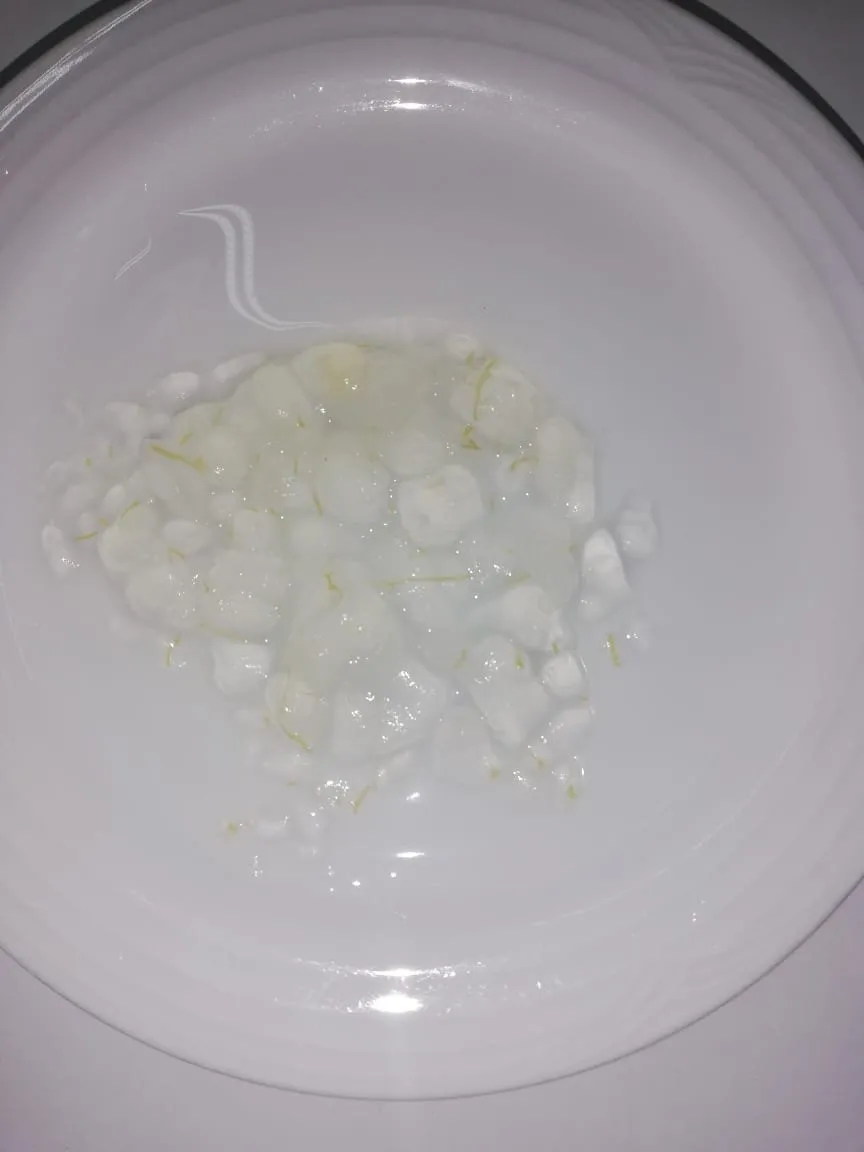
Aloe drinks with visible pieces, aloe juices, yoghurts with aloe cubes and powdered drink mixes are established products in many markets, especially in Asia. This guide explains which Aloe vera (Aloe barbadensis Miller) ingredients food and beverage manufacturers use, what to watch in processing, and which regulatory questions to settle first.
Ingredient formats for food and drink
| Format | What it is | Typical use |
|---|---|---|
| Inner leaf dice (cubes) | Cubes of clear inner leaf fillet | Drinks with pieces, desserts, yoghurts, jellies |
| Pulp and minced base | Pulped or finely minced inner leaf | Smoothies, juice blends, fillings |
| Liquid 1:1 | Single-strength inner leaf juice | Aloe juices, juice blends, teas |
| Concentrate 10:1 | Tenfold concentrated liquid | Reconstituted drinks; lower freight |
| Spray-dried powder 200:1 / 100:1 | Dried inner leaf juice | Drink mixes, sachets, bars, food powders |
Processing points
Dice. Cube size (for example 3, 5 or 10 mm) and the packing medium (own juice, syrup, sugar-free) decide how the dice behave in your drink. Agree firmness, drained weight and the heat process you will apply. Dice suspended in a drink often need a stabiliser system in the drink to stay evenly distributed.
Liquids. Aloe liquids are mildly acidic and low in solids. In juice blends they usually sit alongside fruit juices that set the flavour. Check how the aloe’s own preservative fits your label: some buyers need a preservative-free grade and pasteurise or fill aseptically themselves.
Powder. For drink mixes, blend powder with the other dry ingredients first and check solubility and taste at your target dose. A 200x powder at 0.25% gives the equivalent of a 50% aloe juice. See powder ratios explained.
Taste and colour. Natural grades can carry a slight bitterness and yellow colour from latex compounds. Decolorized inner leaf grades taste and look neutral. See decolorized vs natural aloe.
An application example: edible coatings
Food scientists have tested aloe vera gel as an edible coating. One study, summarised by the aloe supplier AMB Wellness (March 2023), reported that a coating of about 20% aloe gel applied to potato slices before frying reduced oil uptake while keeping colour, crispness and taste acceptable. Aloe gel coatings have also been studied on fresh fruit and vegetables. These are research applications; anyone using aloe this way needs to check the rules for coatings and processing aids in their market.
Regulation: settle these questions first
Aloe in food is regulated differently from aloe in cosmetics. Check, in your market:
- Is aloe allowed in my food category, and in which form? In the EU, check the Novel Food status of the specific form you plan to use, and national lists of permitted plants. Germany, for example, is reported to allow aloe gel and extracts in food but not the latex.
- What applies to hydroxyanthracene derivatives (aloin)? EU Regulation (EU) 2021/468 prohibited aloe leaf preparations containing hydroxyanthracene derivatives in food. The EU General Court annulled that part in November 2024 (case T-189/21); the Commission appealed (case C-38/25 P). Until the position is clear, many EU buyers specify decolorized inner leaf material with a documented aloin value per batch.
- Can I make any claim? In the EU there are no authorised claims for aloe vera under Regulation (EC) 1924/2006. In the US, statements about effects on the body follow FDA and FTC rules and need substantiation. Many brands sell aloe drinks on taste, texture and ingredient origin, without benefit claims.
- What does organic labelling require? Organic claims need certified organic ingredients and an import certificate per shipment (EU COI in TRACES; US NOP Import Certificate). See organic certifications for aloe ingredients.
- Which food-safety certificate does my QA team need from the supplier? Many buyers ask for a GFSI-recognised scheme.
Buyer checklist
- Plant part: inner leaf
- Decolorized or natural, with aloin value and method
- Brix or solids, pH, microbiology limits
- Preservative or preservative-free
- For dice: cube size, packing medium, drained weight, heat process
- Shelf life and storage (ambient, chilled or frozen)
- Food-safety certificate, organic certificate, Kosher and Halaal where needed
- Packaging that suits your line (drums, IBC, aseptic bags, pails)
ACAP for food and beverage manufacturers
ACAP supplies inner leaf dice and pulp, liquid 1:1, concentrate 10:1 and spray-dried powder of Aloe barbadensis Miller, grown and processed on our certified-organic plantation in Limpopo, South Africa. Organic inner leaf dice, liquid, concentrate and powder are listed on our EU organic and USDA NOP certificates; Kosher and Halaal certificates cover named products. Request a sample and TDS.